Maison Yellow — Anniversary Finds
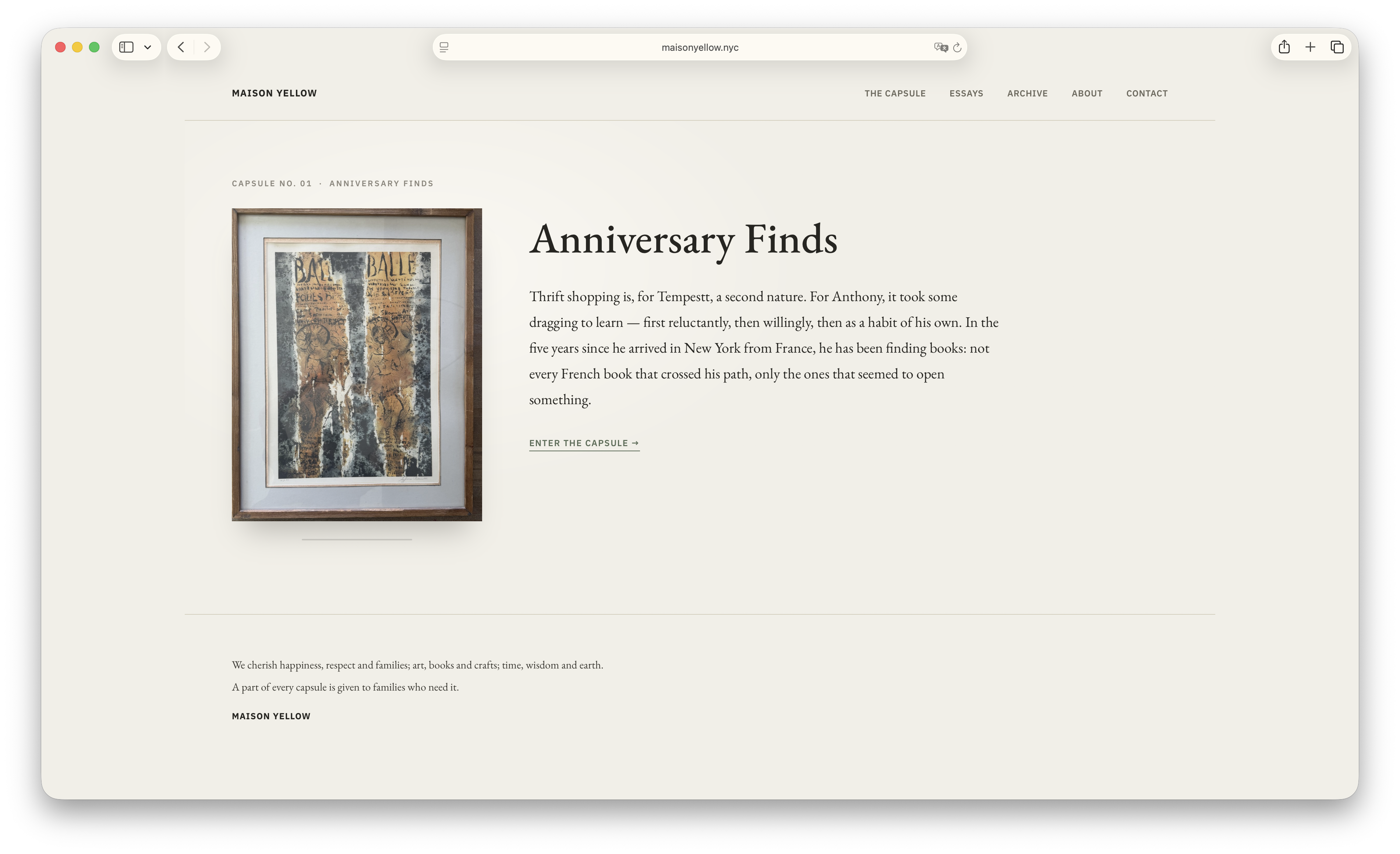
Five years ago, just ahead of Bastille Day, I moved to New York. So for this anniversary, my wife Tempestt and I finally launched the first capsule of a project we'd been honing for a while: Maison Yellow — a thoughtful, episodic brand we thought about at length, designed in our heads, debated and reformatted, that says something about who we want to be in the world, and what we want the world to be. It was a thousand conversations and hundreds of ideas before it was anything you could point to. We didn't arrive to it with intention, but with desire — what we did was keep being ourselves: thrifting finds, curating interests, watching the picture emerge. A Balzac from a French exam I sat for so long ago I'm mildly astonished I still remember my argument. A Henry James study of French letters from 1878. A 1941 history of French aristocrats who fled the Revolution for, of all places, the wilderness of upstate New York. Nineteen objects, five years in the making — none of it planned as a collection until we looked at the shelf and realized it already was one.
Two ideas came out of this before a single book sold. Personal Commerce — introduced like a collector hands something to a friend, never sold like inventory. Intimate AI — built to disappear into craft and voice, never staged as a demo. Maison Yellow is both of those, proven end to end, on our own life first.
I'm not a developer, a designer, or a photo retoucher — I'm a lawyer by training and an advertiser by trade. Nearly everything that made this real was built in direct collaboration with Claude: a full visual identity and design system ("The Sculpture Garden" — palette, type, photography staging, down to how a book sits on its plinth), a real Shopify storefront with all nineteen objects priced and checkout-ready, and a photo pipeline that took Tempestt's raw shots — some off an iPhone, one book at a time on our kitchen table — through background removal and a single unified color pass. The system caught its own mistake mid-build: production shipped one circular photo crop by accident, it looked wrong the moment it went up, and the fix — and the rule against it happening again — is written into the system's own documentation rather than quietly reverted. Every one-true-thing, story and caption for all nineteen finds was drafted piece by piece, then unified into one voice — the same voice carrying the launch essay and this case study.
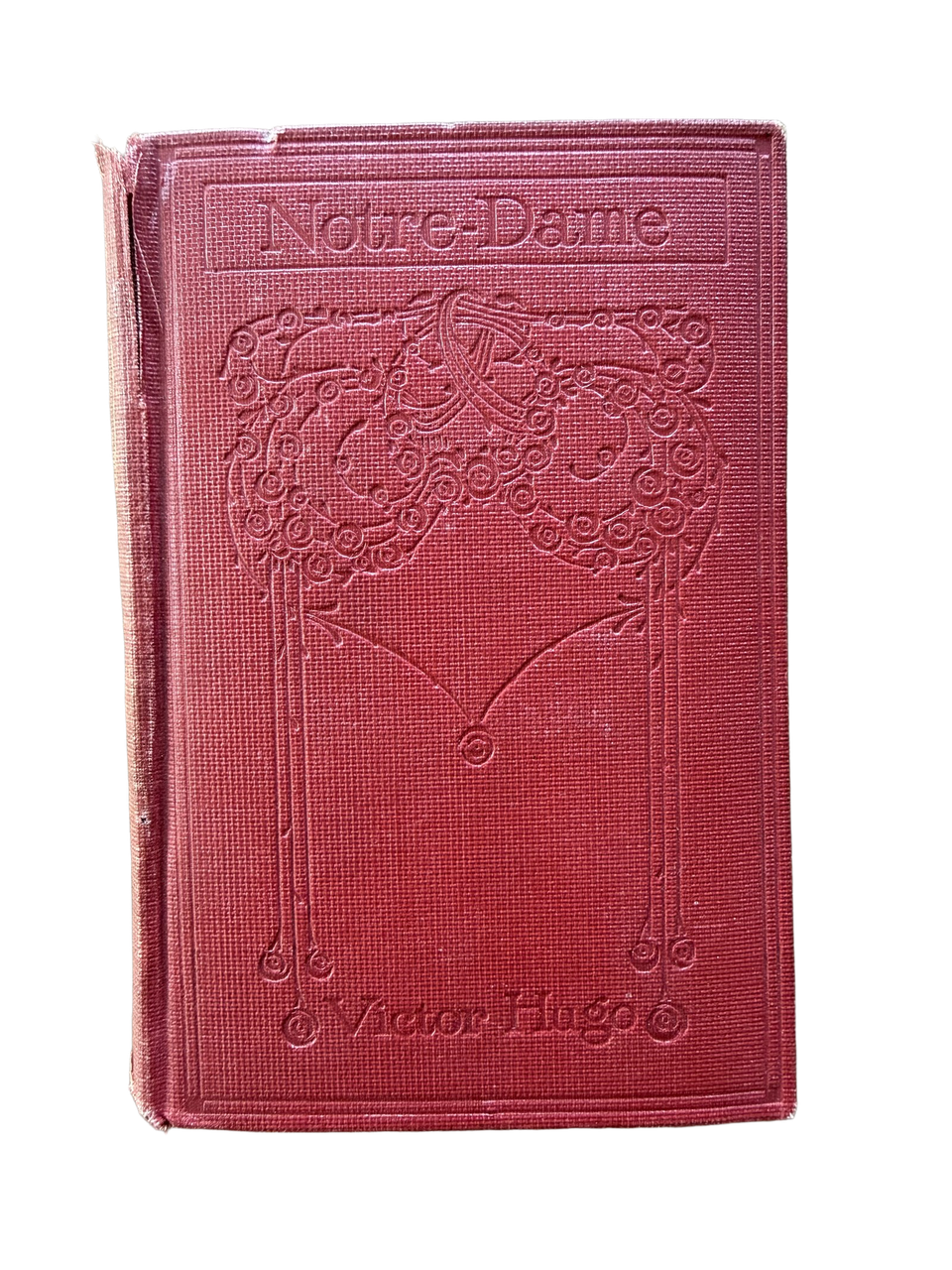
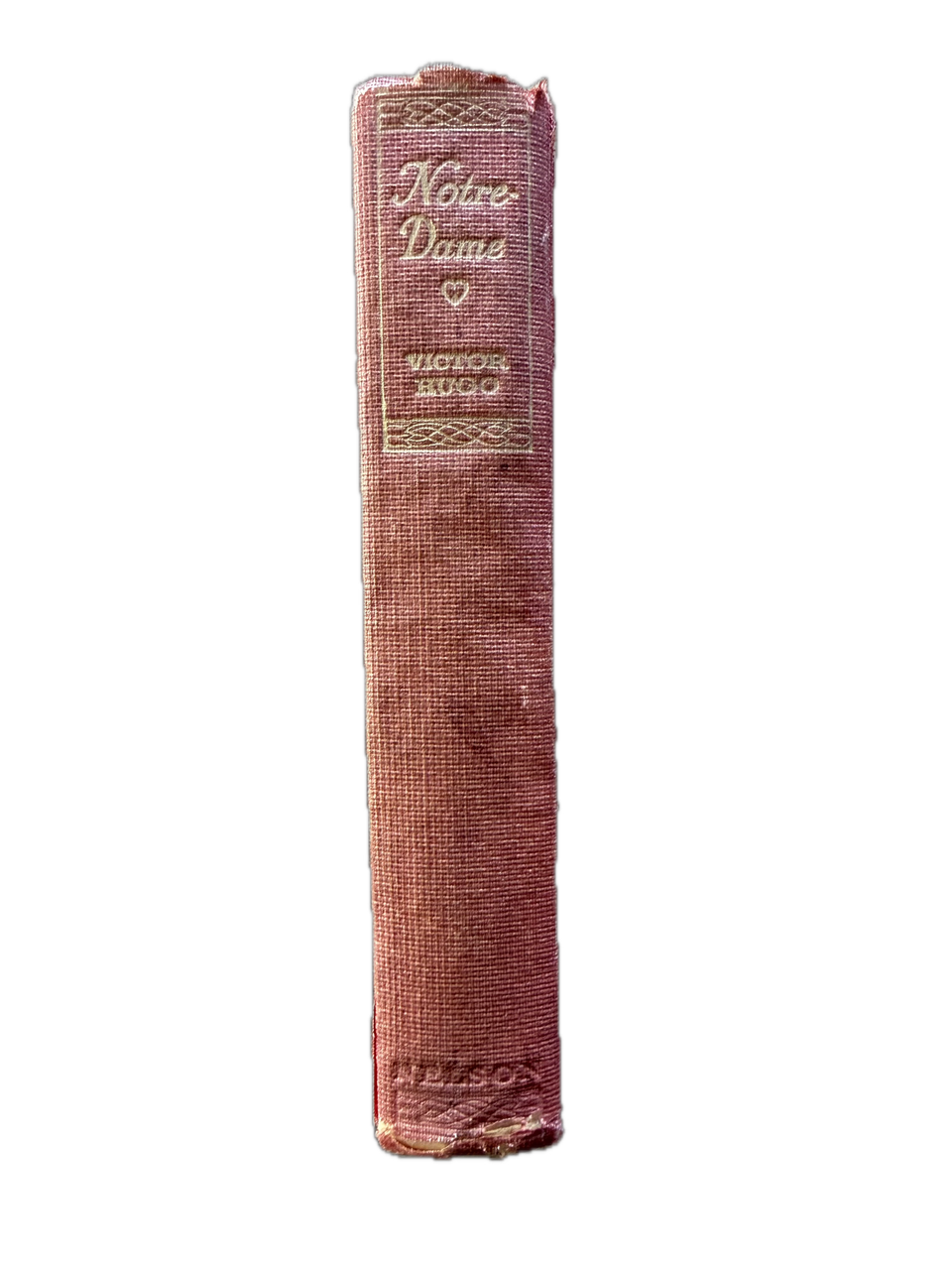
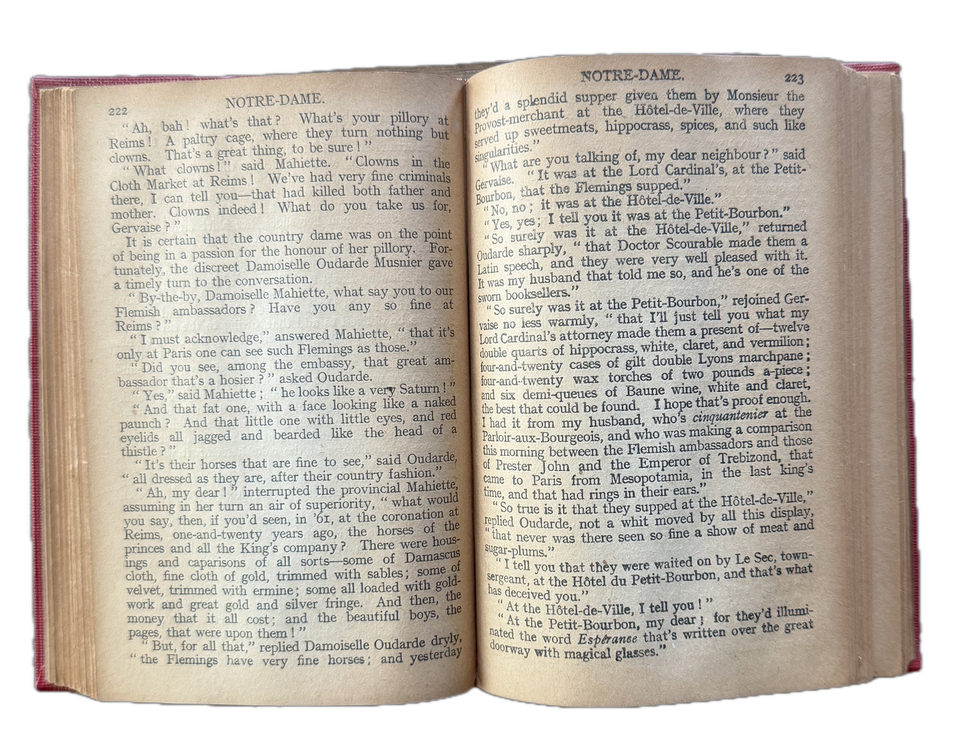
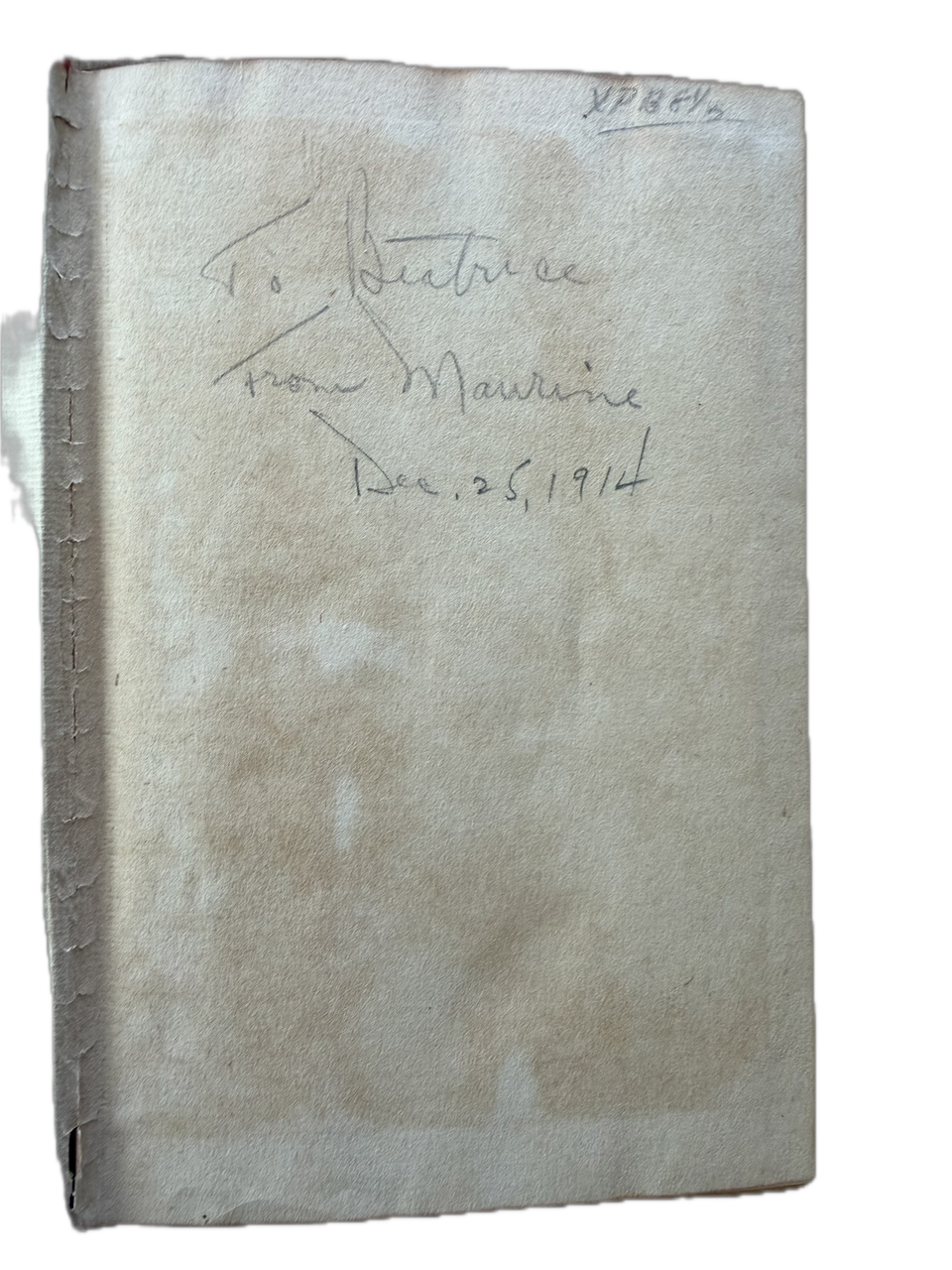
Aside: one of the nineteen — this Victor Hugo Notre-Dame, gift-inscribed Christmas 1914 — is the same book that seeded a future Late Dialogues pairing: Hugo and Whitman, cathedral versus open road, never having met, arguing the same question from opposite sides of the Atlantic.
Late Dialogues — Podcast
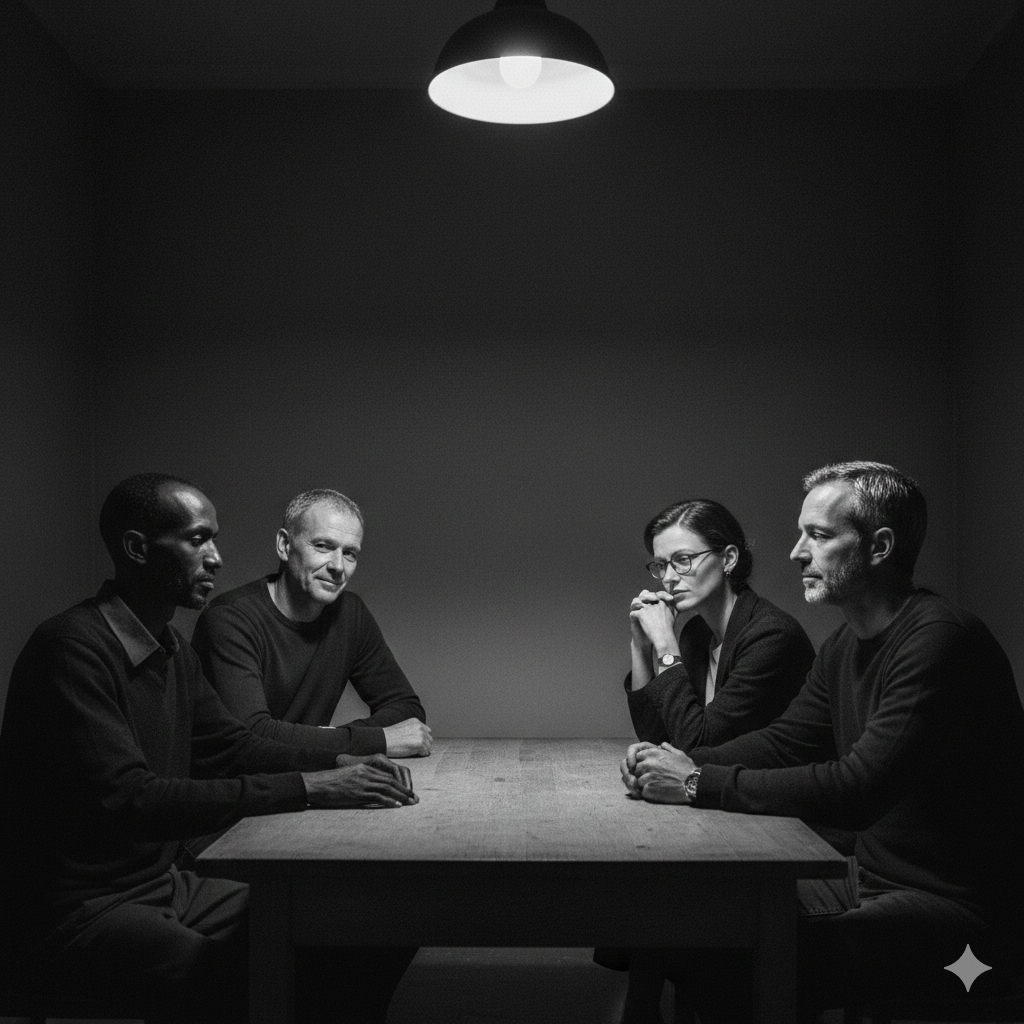
A studio where heritage learns to speak in the present tense. The Late Dialogues convenes "Later Characters" — reconstructed, evolved versions of historical figures — for a 30-minute roundtable about the urgencies of now. They are not the originals; they are what those minds might have become after reading the 20th and 21st centuries. I host and moderate as David: a calm, inquisitive presence who frames questions, holds tension, and lets ideas find their cadence.
Character reconstruction (core beliefs kept, ideas revised, a detailed voice map), roundtable design (a 3–5-movement arc seeded by the characters' own tensions), production (podcast-ready scripts, premium voice talent or AI-assisted voices), and activation — campaign narratives, keynotes, museum pieces, editorial essays, short-form vignettes. Built on three principles: careful with the past, curiosity over certainty, human in the loop.


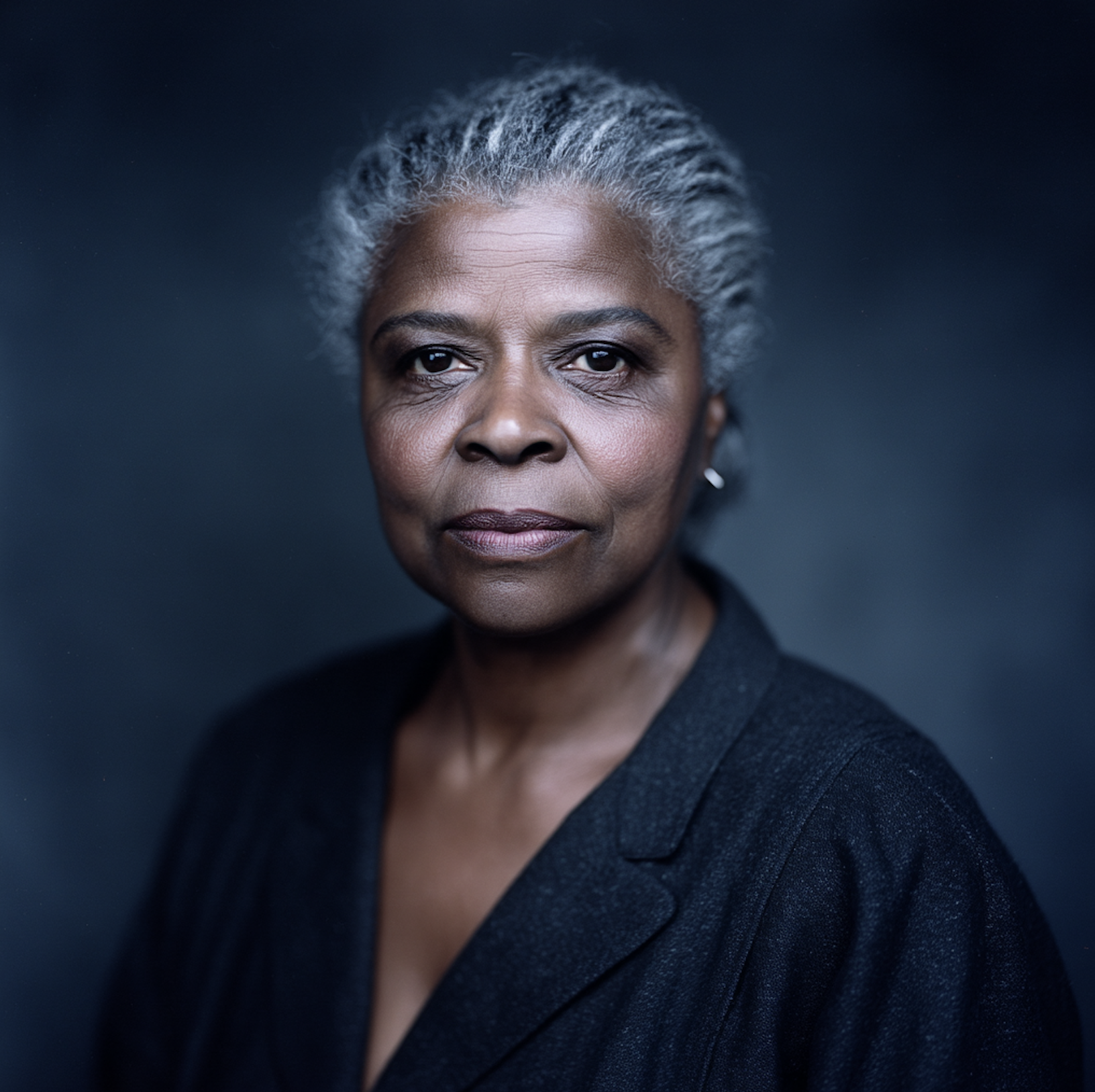

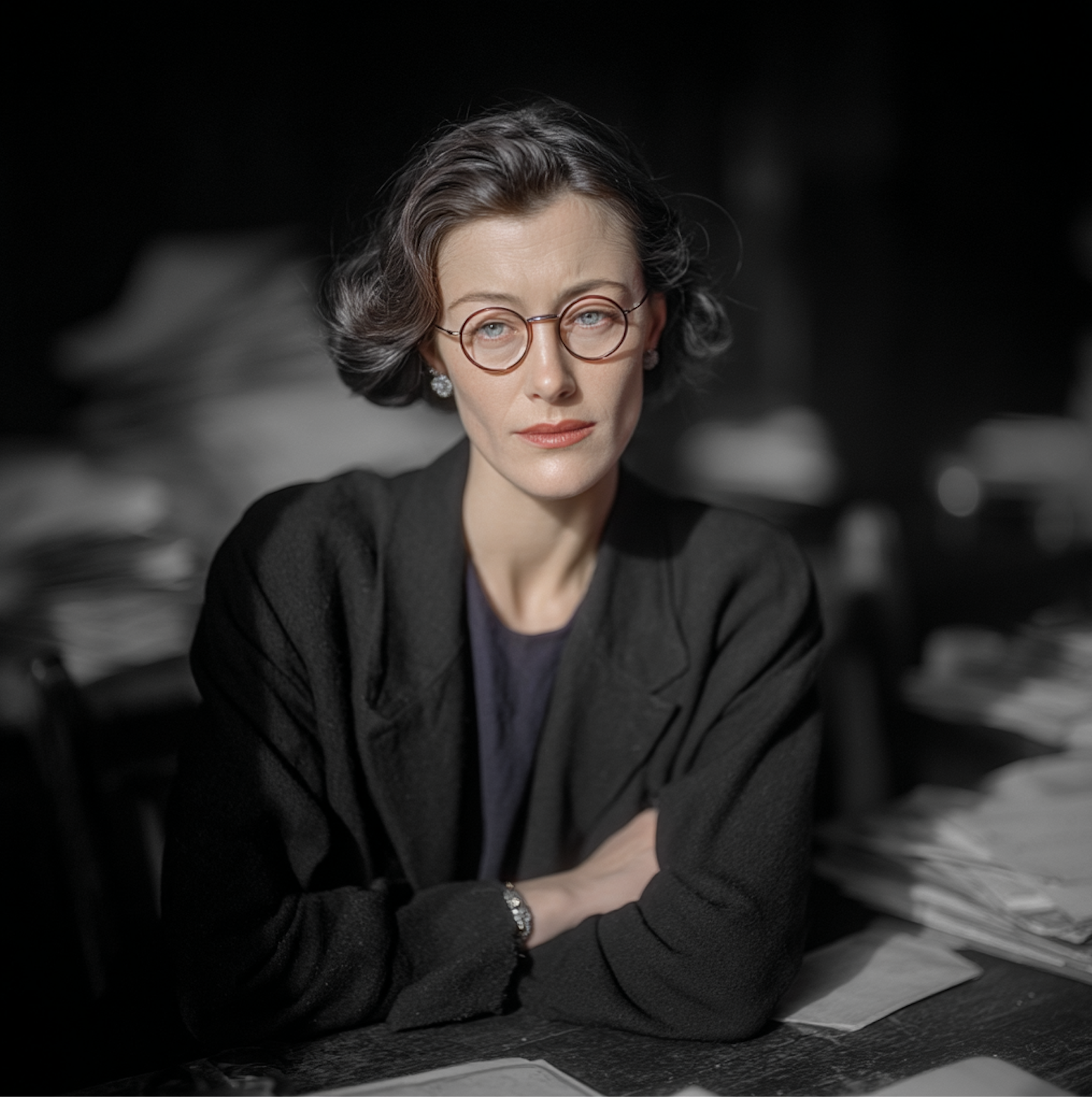
Hilton — The Ad You Stay In
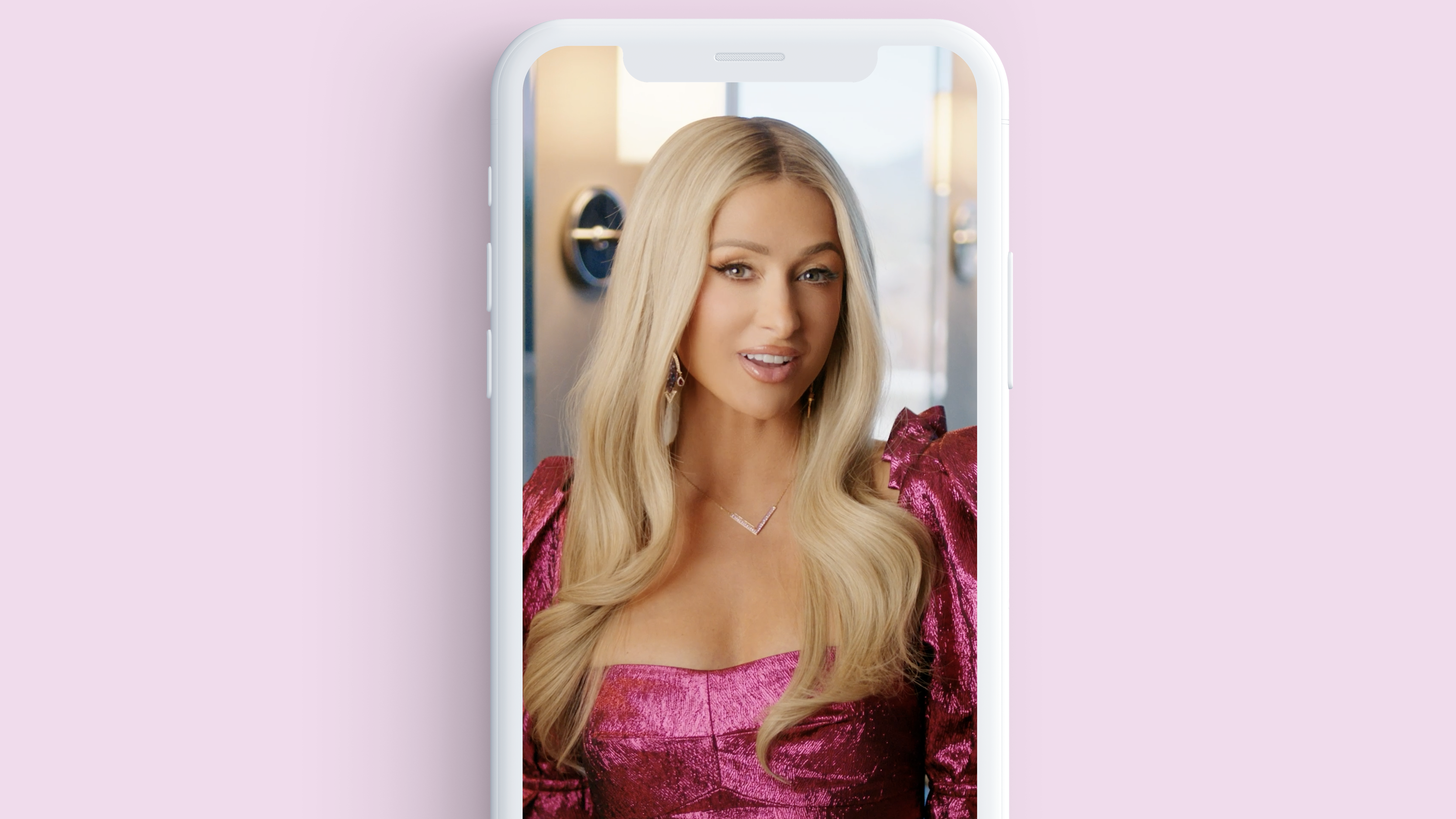
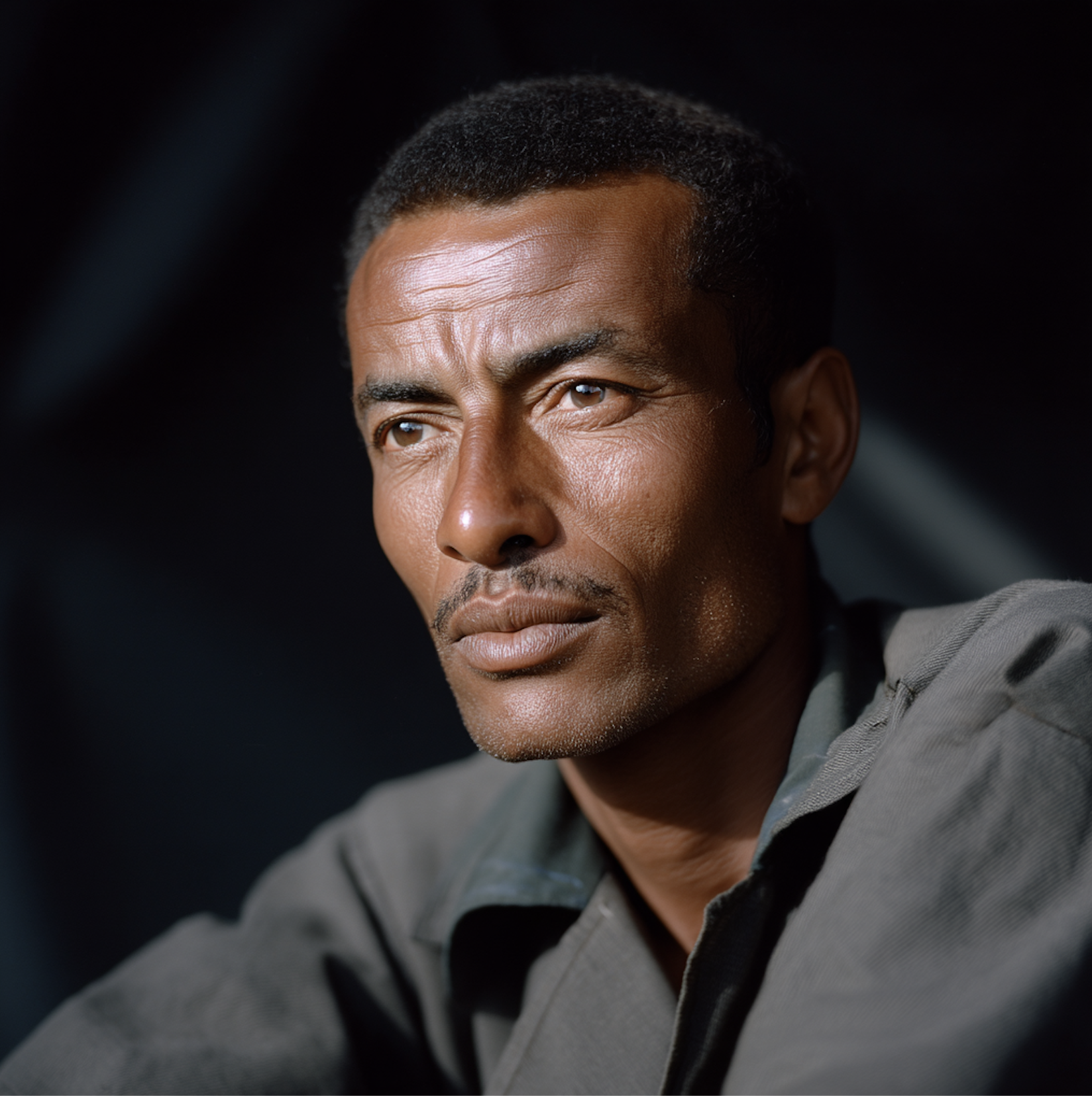
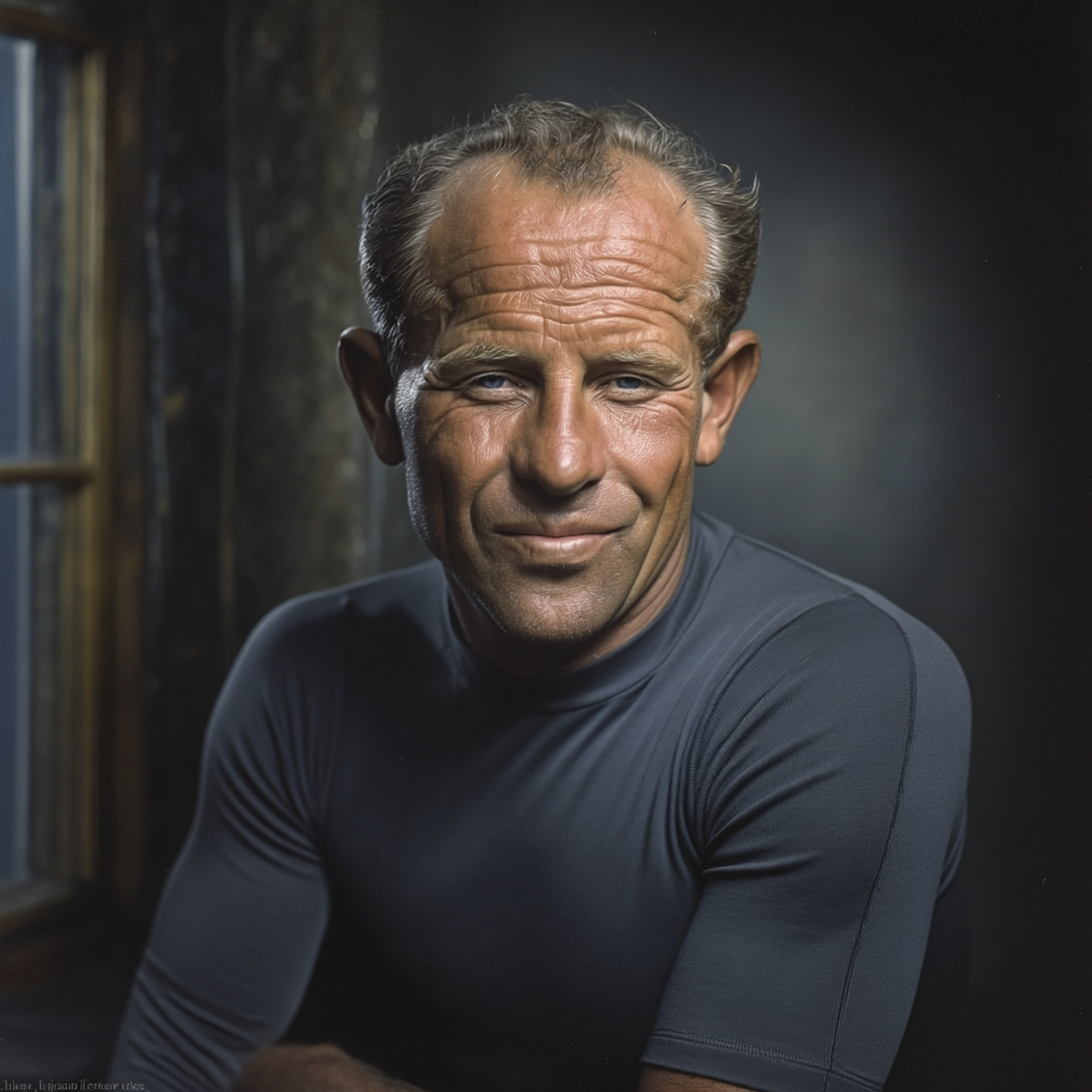
Simple and impossible at once. Building on TBWA's Disruption roadmap for Hilton — making it all about "The Stay" — my teams were tasked with making social media users stay with the brand long enough to feel the warmth of a Hilton stay, before ever booking a room or setting foot in a property.
A radical collaborative effort, not a single-author production: social strategists, creatives, creators, producers and directors from Hilton, TBWA, TikTok, 1st Ave Machine and Influential built a 10-minute TikTok that millions of users stopped scrolling for.
Mayo Clinic — YouTube Content Series
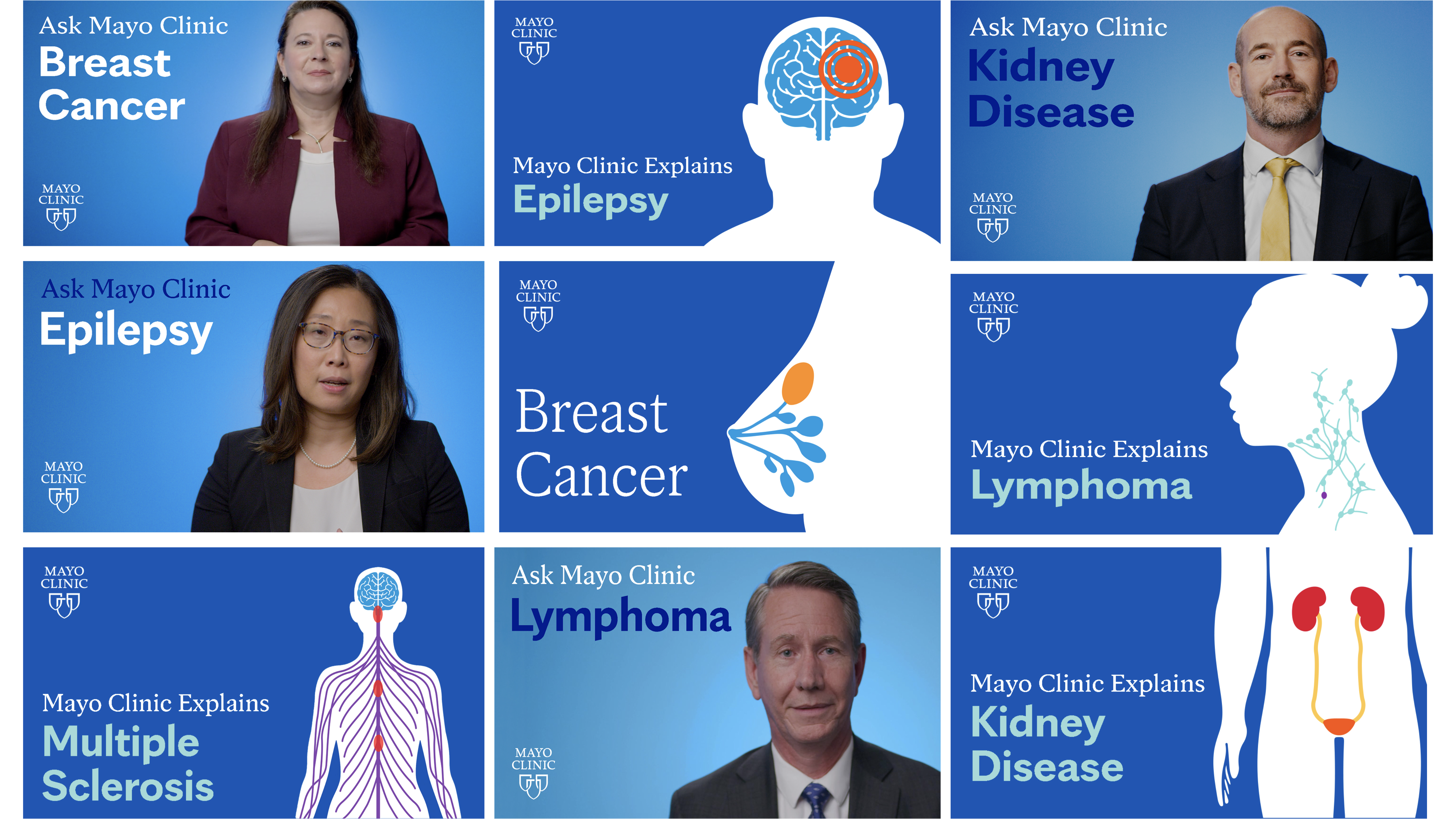
They say organic reach is dead. Mayo Clinic and YouTube approached us to launch expert, trusted healthcare content — at a moment when health misinformation had reached an all-time high at the onset of the Covid-19 pandemic.
We audited the 50 most-searched conditions, mapping engagement patterns, influential creators and pitfalls to avoid, then built a handful of repeatable, social-first content franchises — producing, editing and releasing close to 100 videos in under nine months.
U — What's In It, Foodtech App
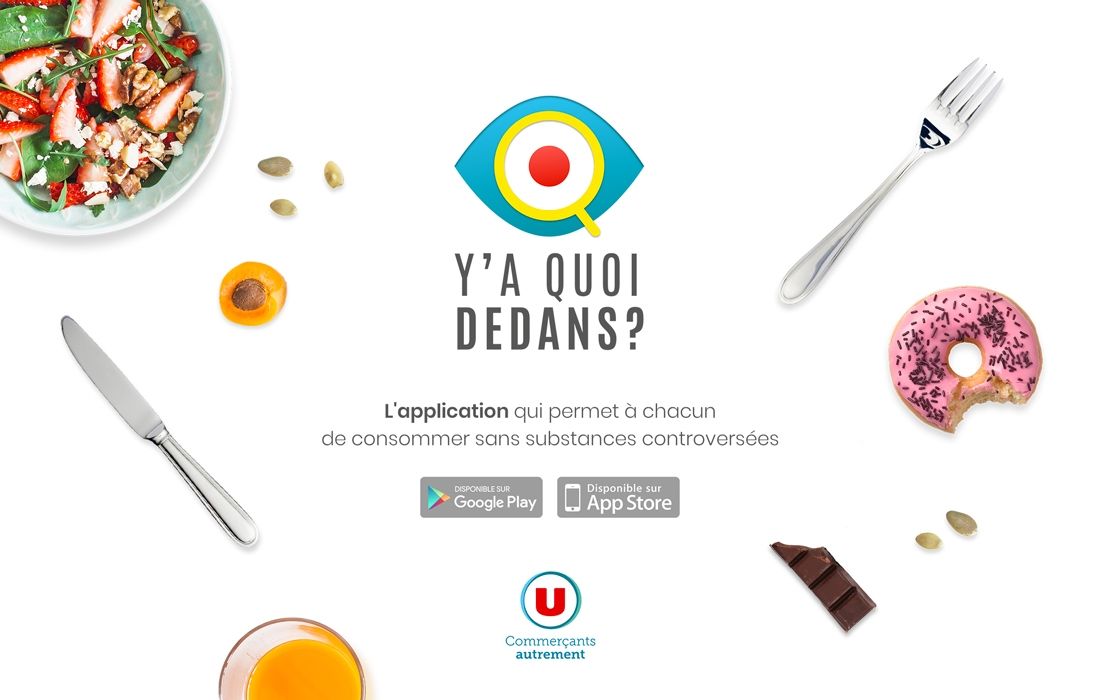
France's third-largest retailer, U Stores, wanted to push its Disruption roadmap — In Full Transparency — further. Social listening and search research showed consumers didn't want to be told food was better; they wanted to judge that for themselves, anywhere, including at competing stores.
We designed, built and launched What's In It, a fully-fledged branded foodtech app, working with Open Food Facts — the "Wikipedia of food ingredients" — for open and universal data. True to U's brand, the app never passed judgment; it handed users the information and a crystal-clear data-visualization language to decide for themselves.
Honor x Community Advertising
Huawei's Gen-Z brand Honor was launching its flagship 5x — top specs at half the price of Apple and Samsung — and needed a way to dent that arch-dominance.
Leveraging Honor's "For The Brave" platform, we built a community-led, multi-vertical activation calling on gamers, movie and show lovers, foodies, fashionistas and reality-TV fans to prove their own bravery by clicking ads that showed no product and barely any brand — clever wordplay and casual games embedded across 500-plus unique banners, social posts and brand content.
Netflix x Allociné
In 2015, Netflix had West Coast tech credentials and state-of-the-art UX, but was still a challenger in Europe — trailing legacy broadcast and cable, just beginning to assert cultural credibility on the strength of House of Cards and Orange Is the New Black.
Netflix came to Webedia's flagship publication Allociné for paid placement; we pushed further — a dedicated editorial team writing in a blended Allociné/Netflix tone, plus original UX features (spoiler alerts and blockers, personalized season filters and timelines) built from conversational insight and user research.
ALB (Sony Music) — Interactive Music Video
An outlier in the record: a music video for a French electro artist signed to Sony. As both digital copywriter and digital project lead, the brief was to make the video itself transactable — without breaking the experience of watching it.
Working alongside one of the era's most cutting-edge digital production houses, we built an interactive layer letting viewers buy every item the singer discards on screen throughout the video.